Waste Screening Machines
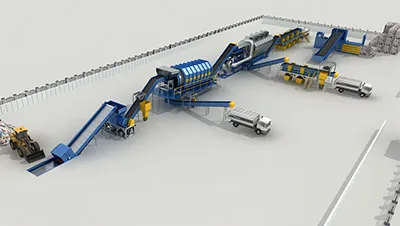
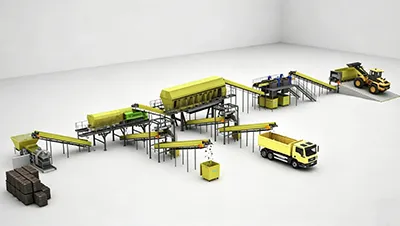
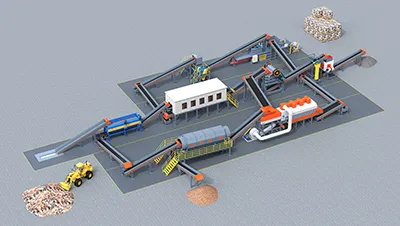
Screening and separation equipment plays an important role in modern solid waste treatment lines. It separates municipal solid waste, construction waste, landfill stale material, and other mixed materials through different physical and mechanical methods. There are various types of waste screening systems, including:
- Magnetic separation: separates ferrous metals such as iron, steel pieces, and other magnetic materials from the waste stream.
- Air separation: uses controlled airflow to separate lighter materials such as plastic film, paper, and textiles from denser materials such as stones, soil, wood pieces, and concrete.
- Size screening: separates materials according to particle size. Trommel screens, roller screens, grizzly screens, flip-flow screens, and vibrating screens use different screen structures and movement methods to classify materials into the required size ranges.
- Manual separation: can be added for mixed waste that still needs human checking, especially to remove recyclable materials, contaminants, or large items left after mechanical separation.
-
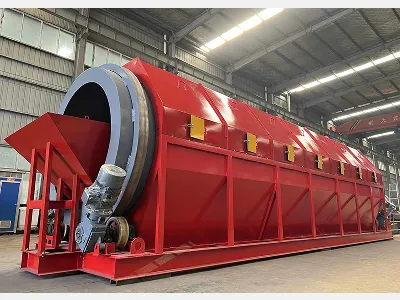
- Trommel ScreenTrommel screens separate solid waste by particle size as the material moves through a rotating cylindrical drum. Smaller particles pass through the screen openings, while larger pieces continue toward the discharge end for further sorting or processing. Shaftless trommel screens are suitable for municipal solid waste View details
-
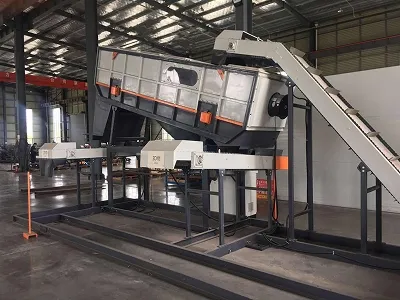
- Ballistic SeparatorBallistic separators separate mixed waste according to material shape, density, and size, which is why they are widely used in municipal waste, landfill stale material, construction and renovation waste, industrial waste, and paper recycling lines.View details
-
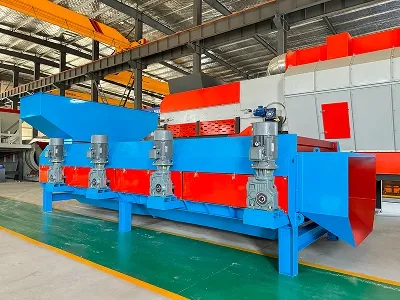
- Roller ScreenRoller screens are used when mixed or bulky materials need to be separated by size before the next processing stage. A series of rotating shafts with staggered screen discs keeps the material moving forward while smaller particles fall through the gaps and larger pieces stay on the screen surface and continue to the discharge end.View details
-
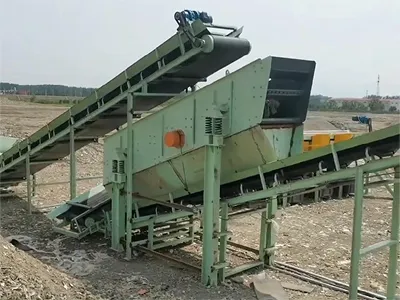
- Grizzly ScreenGrizzly screens are used before crushing to remove smaller particles and feed larger materials more evenly into the crusher. A rigid bar screen surface separates material through the gaps between the bars, while the vibrating motion keeps oversized pieces moving forward. View details
-
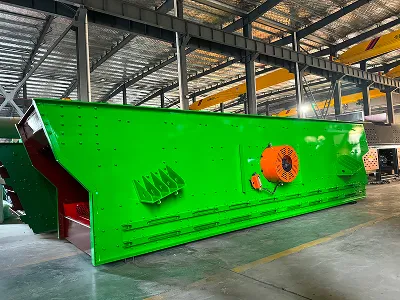
- Flip-Flow ScreenFlip-flow screens are designed for wet, sticky, fine, or high-moisture materials that are difficult to separate on conventional screens. A dual-mass resonance system drives the flexible polyurethane screen surface, creating a fast stretching and relaxing motion that lifts and loosens the material instead of letting it stay compacted. View details
-
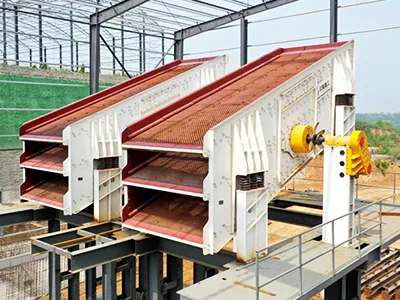
- Vibrating ScreenIn a vibrating screen, material is separated by particle size while moving across the screen mesh under steady vibration. They are equipped with a vibrating motor that keeps the screen box in motion, which allows the material to spread more evenly across the surface instead of piling up in one area. View details
-
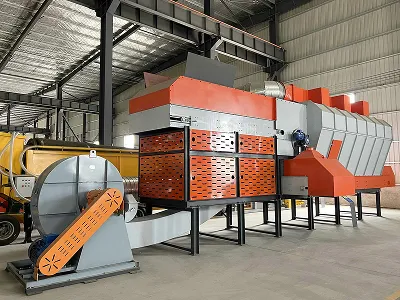
- Air SeparatorAir separators, also known as air drum separators, are used in solid waste screening lines to separate light and heavy materials through controlled airflow. A typical air separator system includes a centrifugal fan, rotating drum separation unit, belt conveyor, and settling chamber. View details
-
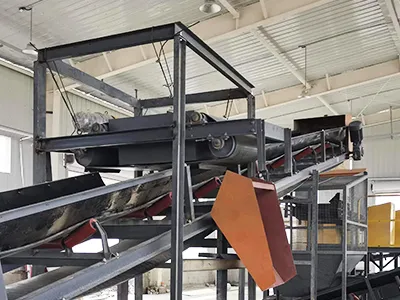
- Overhead Magnetic Separator Overhead magnetic separators work above conveyor belts to remove ferrous metals such as steel bars, iron pieces, and metal scraps from mixed waste streams. As the material passes below the suspended magnet, magnetic metals are lifted out of the non-magnetic material and carried away by the self-cleaning discharge belt. View details