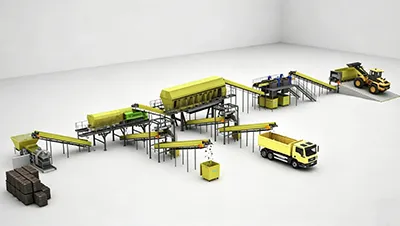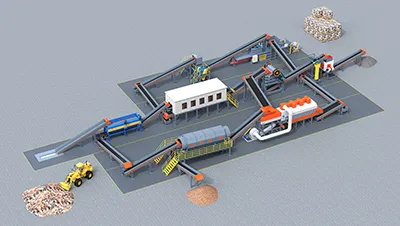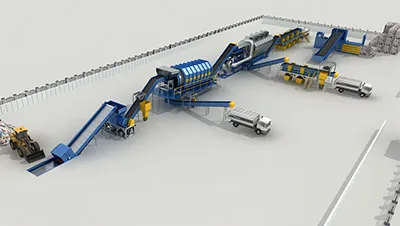
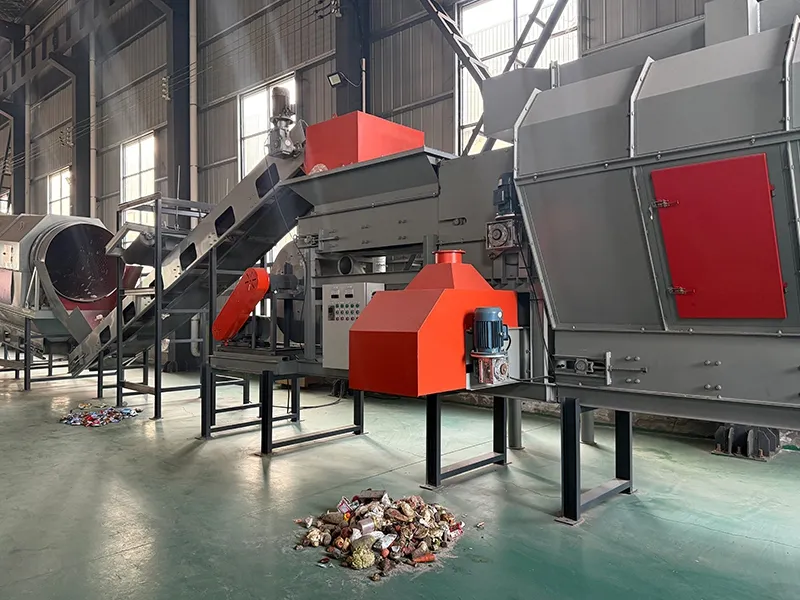
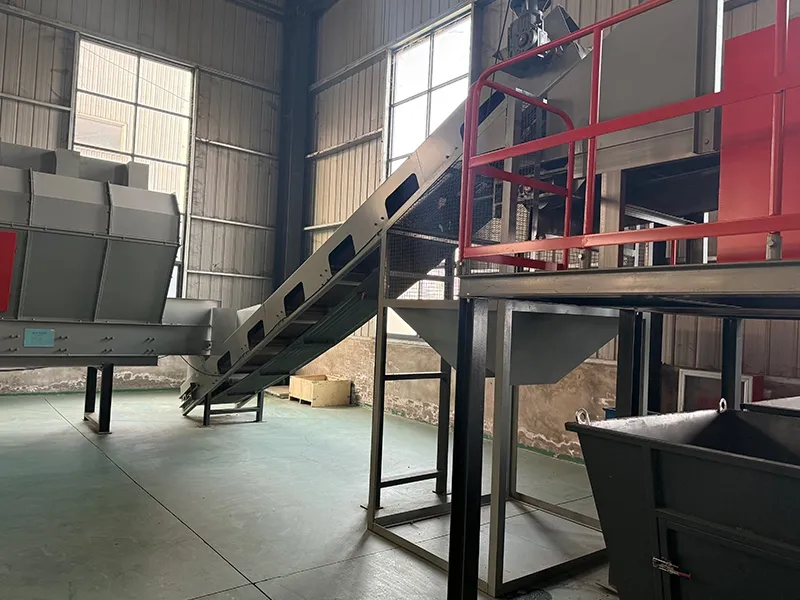
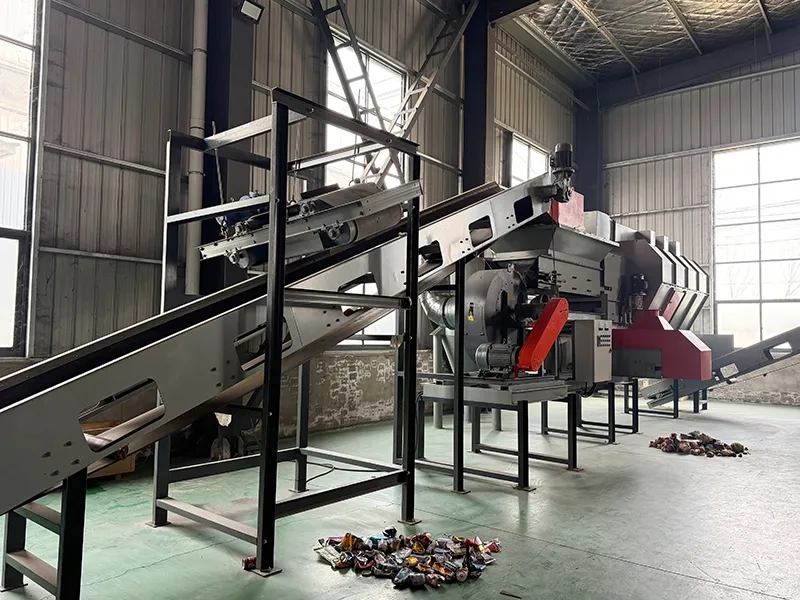
Municipal solid waste is a complex and highly mixed material stream, typically containing organic waste, plastics, paper, metals, textiles, and inert materials, which requires a flexible and well-coordinated processing system to handle effectively. We provide municipal solid waste sorting systems designed to process mixed waste through screening, magnetic separation, air separation, and near-infrared or AI-based identification. Through these stages, waste is separated into recyclable materials (metals, plastics), organic fractions suitable for composting or anaerobic processing, combustible fractions for energy recovery, and inert materials, reducing landfill volume while improving resource recovery.
The system is widely used by municipal sanitation departments, waste treatment facilities, and waste management operators. By shifting from manual sorting to automated processing, it helps improve sorting efficiency, increase recovery value, and maintain more stable operations.
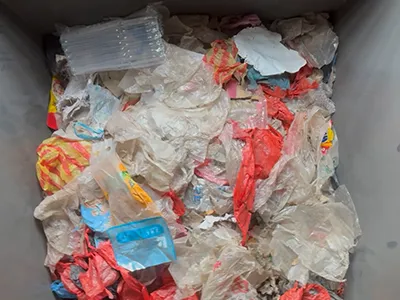 Waste plastics
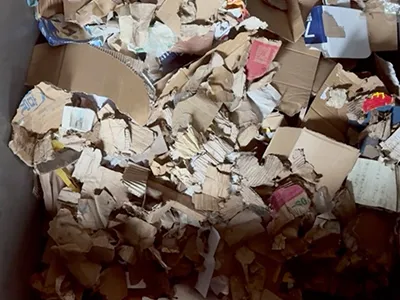 Waste paper
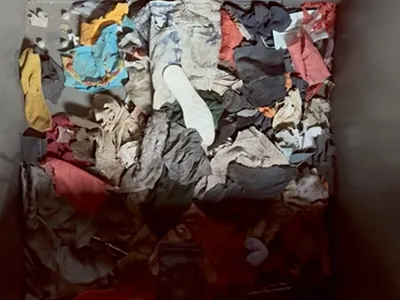 Waste textiles
-
Recycled paper products
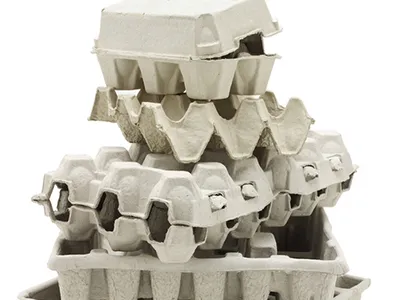 Egg trays
 -
Recycled plastic products
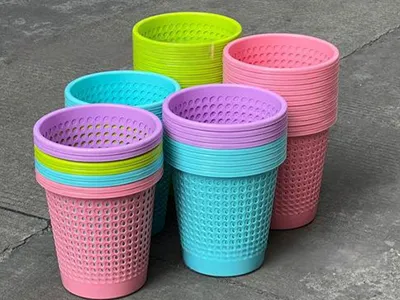 Plastic bins
 -
Recovered metals
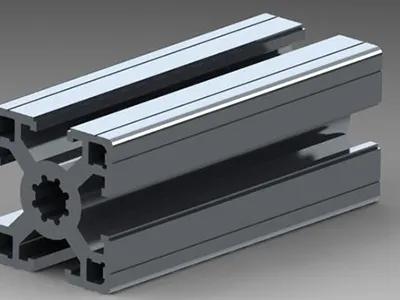 Ferrous metals
 -
Recycled glass
 Glass bottles
 -
Recycled textiles
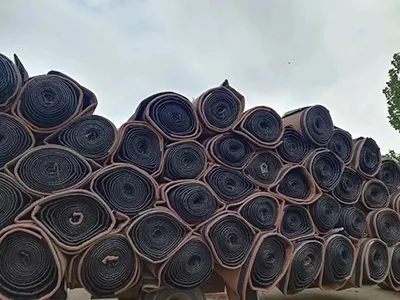 Insulation materials
 -
Organic fertilizer (from kitchen waste / biomass)
 Organic fertilizers
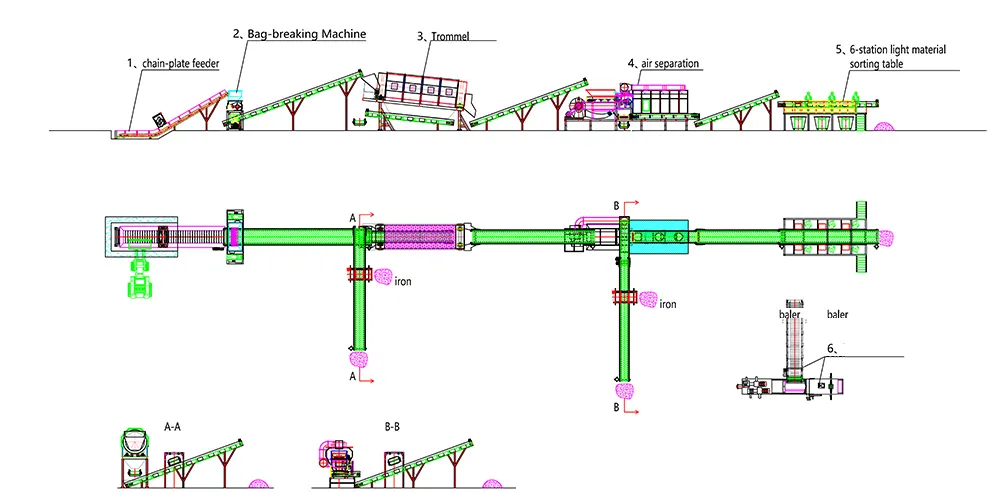
Process Flow Diagram
- 1. Chain Plate Feeder
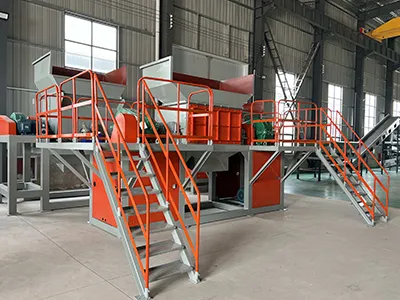
- 2. Double Shaft Bag Breaker
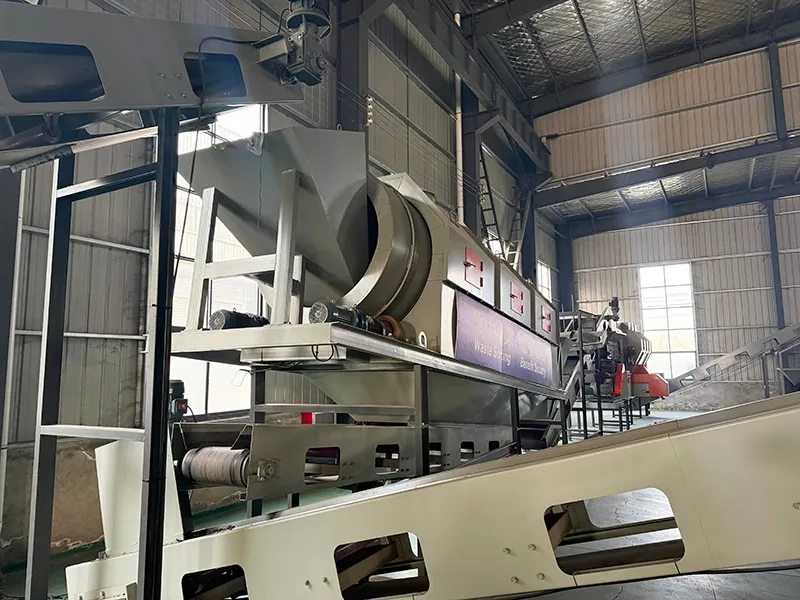
- 3. Shaftless Trommel Screen
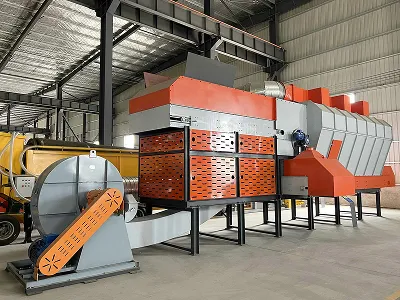
- 4. Integrated Air Separator
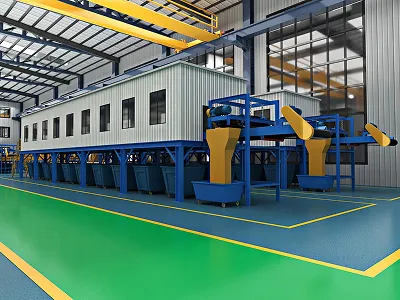
- 5. Manual Sorting Conveyer
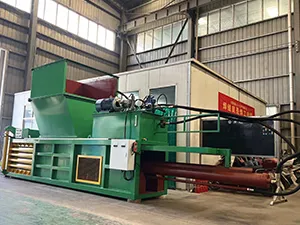
- 6. Horizontal Hydraulic Baler
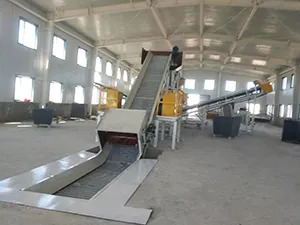
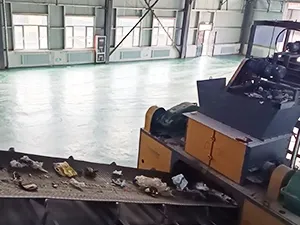
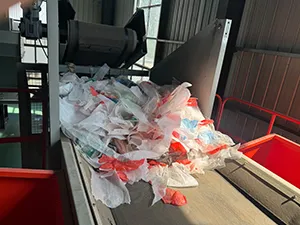
Feeding, Bag Opening & Size Reduction
Material is fed evenly into the system, where bags are opened and waste is broken down to prevent entanglement and ensure smooth downstream processing.
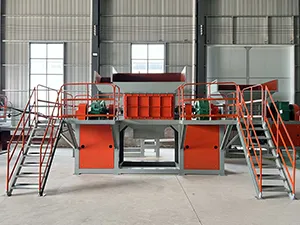
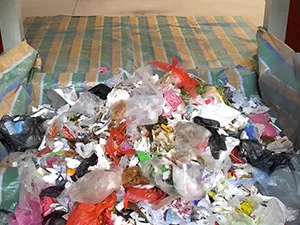
Double Shaft Bag Breaker
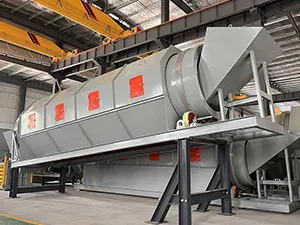
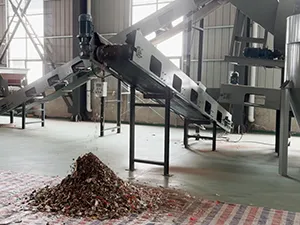
Screening & Size Classification
Trommel screens or disc screens are used to separate fine particles such as soil and small debris from the main waste stream, preparing the material for further sorting.
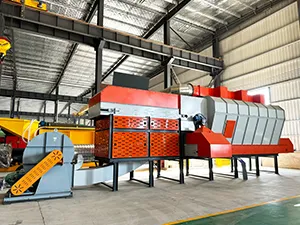
Air Separation
Based on aerodynamic principles, light materials and heavy materials are separated, improving the efficiency of subsequent recovery processes.
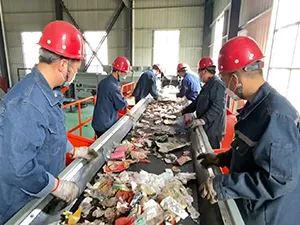
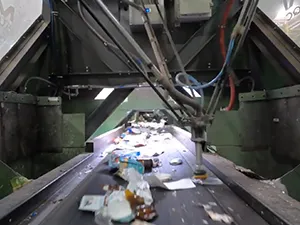
Manual Sorting / AI-Based Sorting
Recyclable materials are further separated with higher precision, either manually or through AI-assisted systems, enabling more accurate resource recovery.
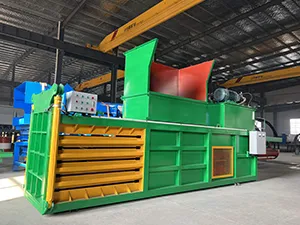
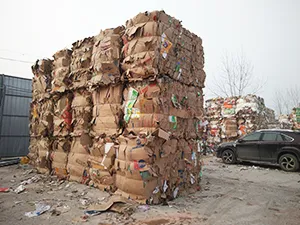
Resource Recovery & Utilization
Sorted materials are directed to appropriate recovery routes, including recycling, composting, energy generation, or processing into recycled aggregates.
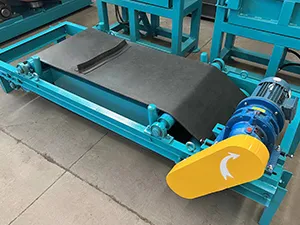
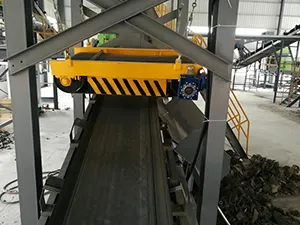
Metal Separation
Magnetic separation is used to recover ferrous metals, while eddy current separation extracts non-ferrous metals such as copper and aluminum.
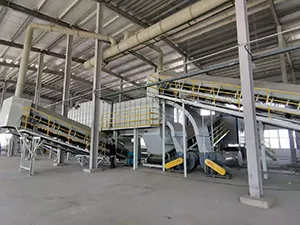
- Mexico
- Processing Capacity: 50 tons per hour
- Process: Feeding, Bag Opening, Screening, Air Separation, Magnetic Separation, Sorting, Baling
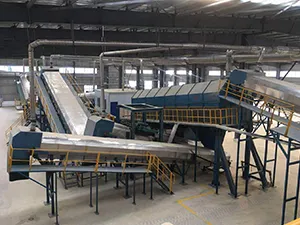
- Dominican Republic
- Processing Capacity: 500 tons per day
- Process: Feeding, Screening, Sorting, Magnetic Separation, Separation
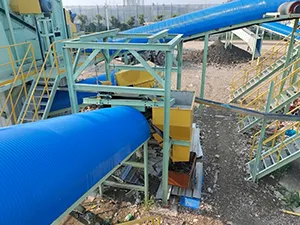
- Malaysia
- Processing Capacity: 200 tons per day
- Process: Feeding, Screening, Air Separation, Magnetic Separation, Baling
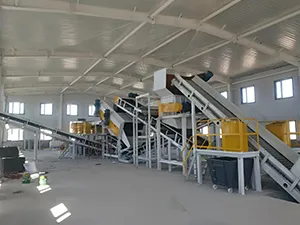
- Kazakhstan
- Processing Capacity: 300 tons per day
- Process: Feeding, Bag Opening, Screening, Sorting