
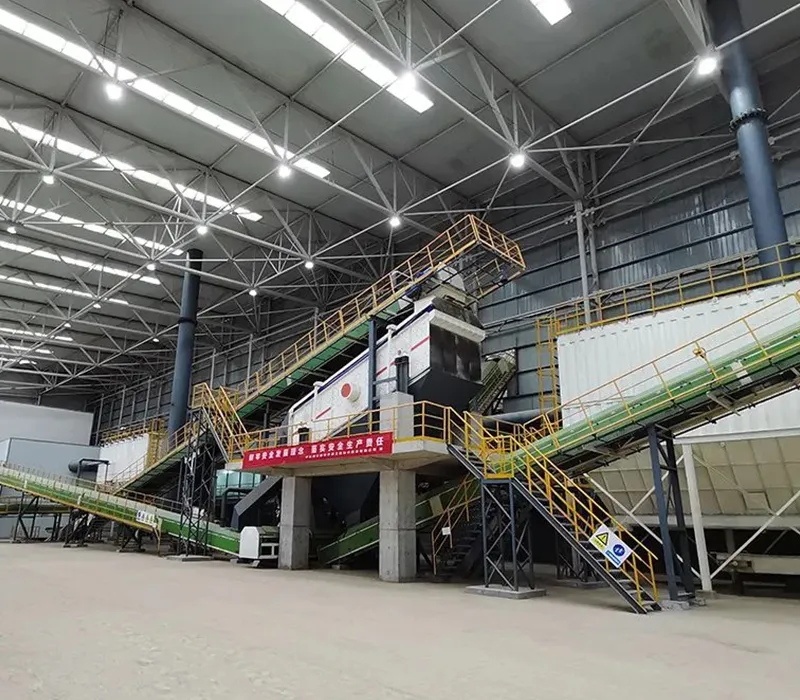
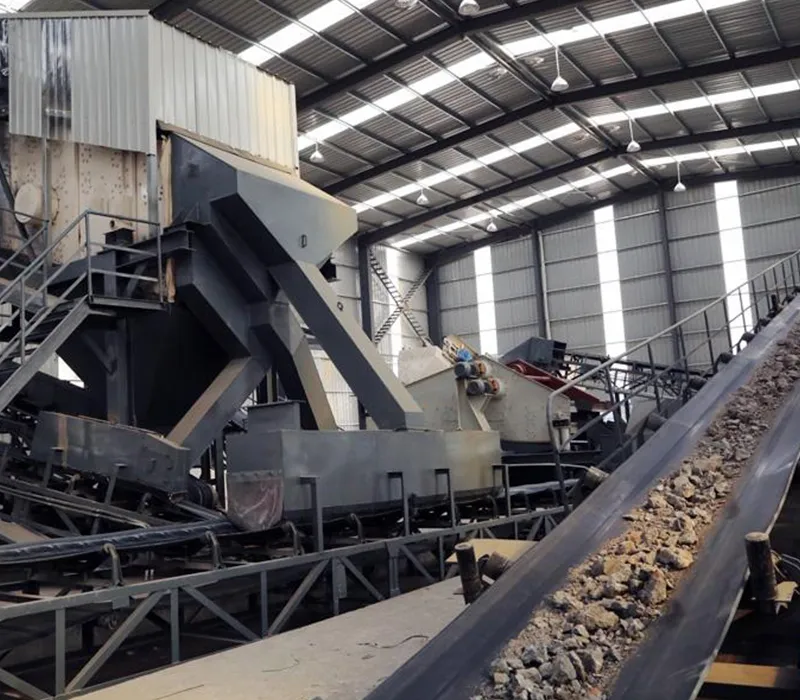
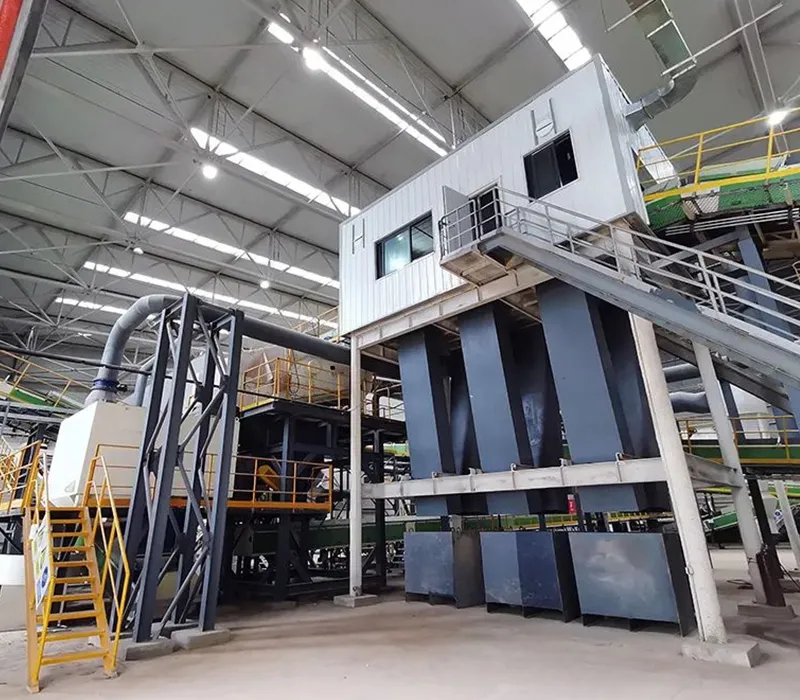
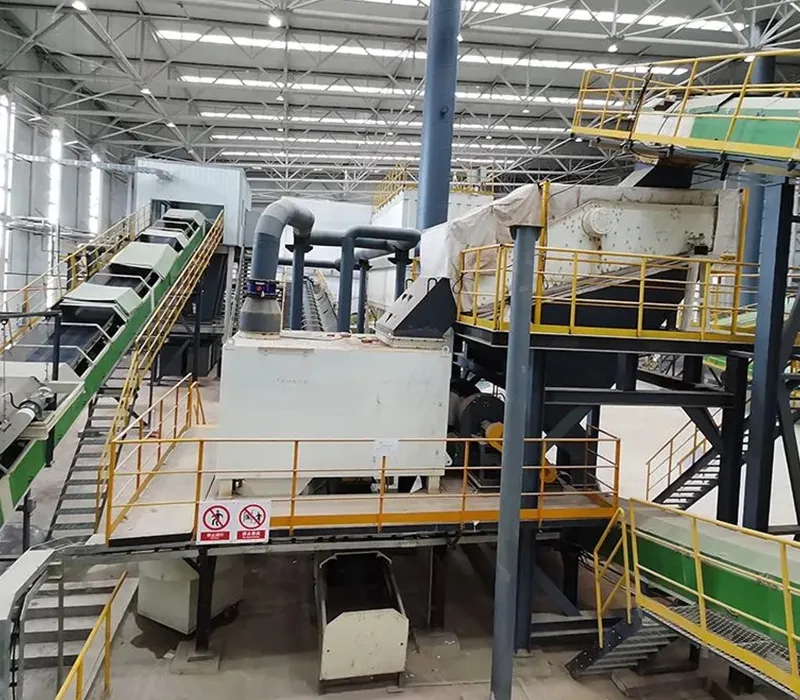
80t/h Construction and Demolition Debris Recycling Plant in Guangdong
Key Information
- Location & Year: Guangdong, China, 2024
- Material: Construction and renovation waste, including concrete blocks, tiles, wood, plastics, textiles, and small amounts of metal
- Processing Capacity: 80 tons per hour (80 t/h)
- Application: Resource recovery from construction and renovation waste, enabling detailed separation and recycling of aggregates and reusable materials while supporting waste reduction and sustainable reuse
Project Overview
This 80 t/h construction and renovation waste processing line is designed to handle complex mixed debris generated from interior demolition and construction activities. The system integrates feeding, bulky waste sorting, crushing, magnetic separation, and multi-stage screening to achieve efficient material separation.
Through this process, waste is separated into recycled aggregates, metals, plastics, wood, and other usable fractions, supporting effective volume reduction and material recovery.
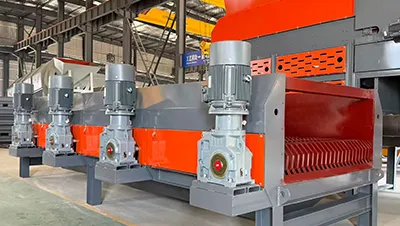
Feeding & Primary Screening
Construction waste is fed by a loader into a roller screen, where soil and fine particles are separated at an early stage. This helps reduce the load on downstream equipment and improves overall system efficiency.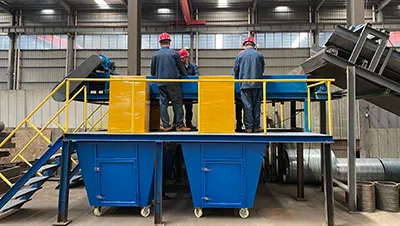
Bulky Waste Sorting
Large non-construction items, such as clothing and bedding, are manually removed to prevent interference with further processing.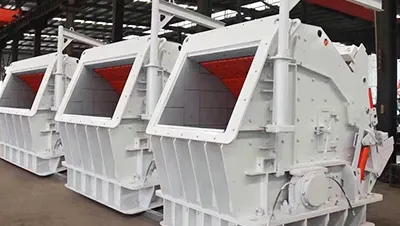
Crushing & Size Reduction
Heavy-duty crushers break down concrete, bricks, and mortar into suitable particle sizes for subsequent separation.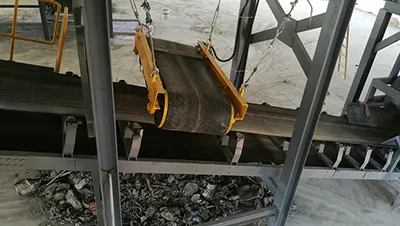
Metal Separation
Magnetic separation is used to recover ferrous metals such as steel bars and iron wires.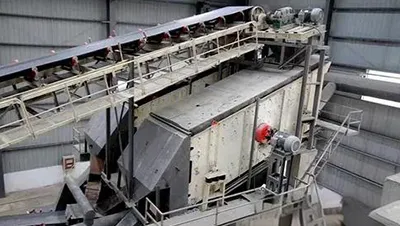
Multi-Stage Screening
Material is classified into different sizes, including fine sand, coarse aggregates, and fine aggregates.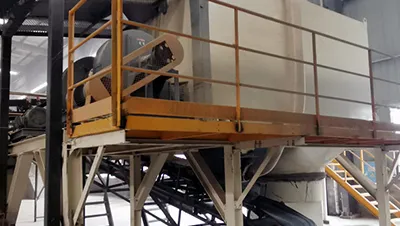
Light Material Separation
Air separation removes light impurities such as plastics, films, wood chips, and paper.