
80 t/h C&D Waste Crushing and Sorting Line in Poland
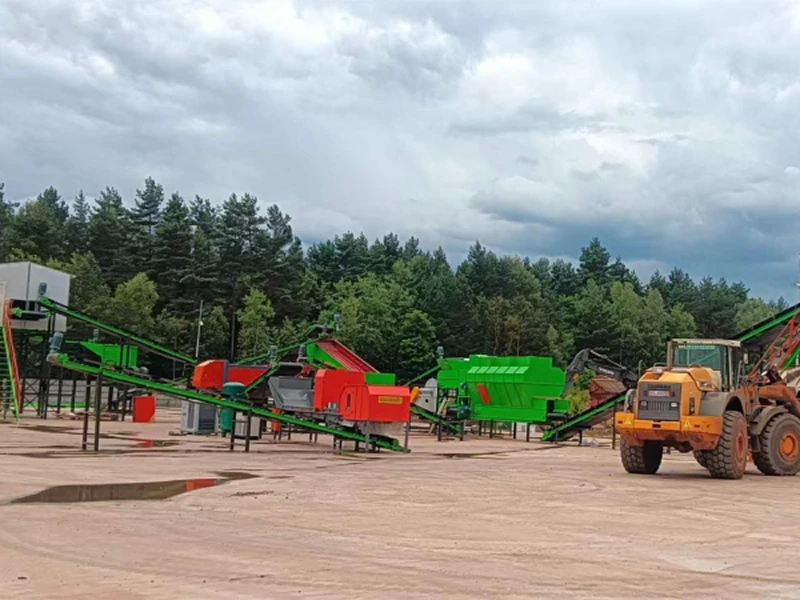
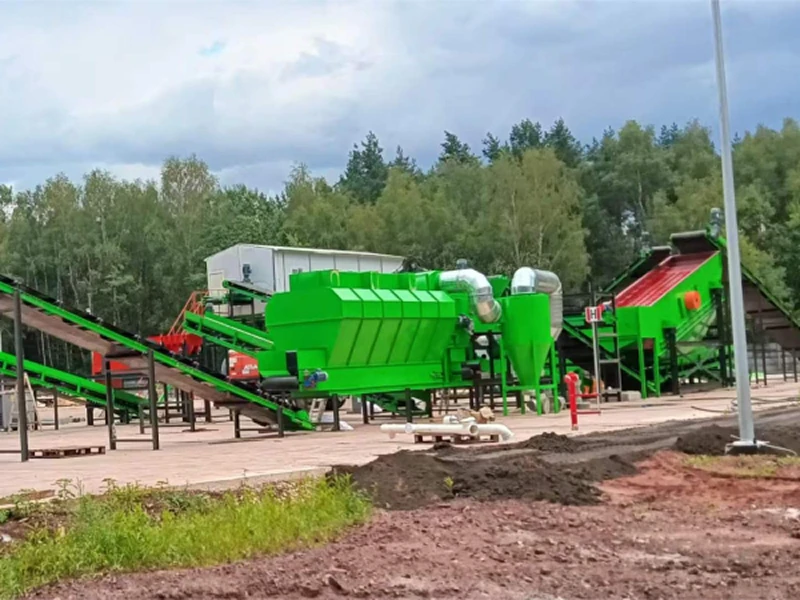
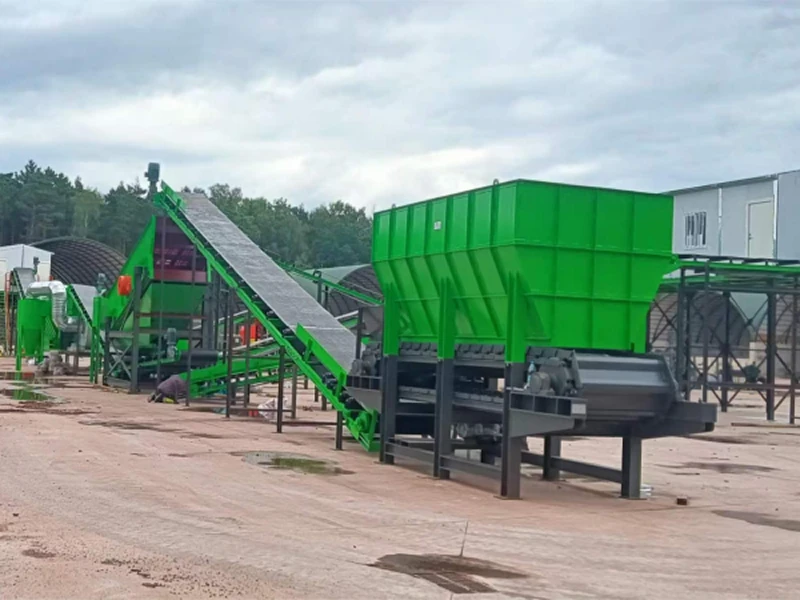
Project Details
- Location: Poland
- Commissioning Date: August 2026
- Processed Material: Mixed brick and concrete demolition waste from older urban areas, containing reinforcing steel, gypsum board, insulation materials, and other lightweight contaminants (maximum feed size ≤ 800 mm).
- Processing Capacity: 80 t/h
- Application: Producing recycled aggregates for local infrastructure projects, recovering ferrous and non-ferrous metals, and reducing construction waste sent to landfill. The recycled aggregates can be used for road subgrade fill, precast construction products, and site backfilling.
Project Overview
Commissioned in August 2026, this 80 t/h C&D waste crushing and sorting line in Poland processes mixed construction and demolition waste generated during urban redevelopment. The line combines screening, crushing, magnetic separation, air separation, eddy current separation, and optical sorting to recover recycled aggregates and metals while removing lightweight contaminants.
The customer's technical team designed the overall process flow and production line layout. Based on the supplied engineering drawings and technical requirements, Hongzhi handled equipment selection, configuration verification, manufacturing, and delivery of the complete equipment package.
Project Requirements
The customer required a C&D waste processing line with a capacity of 80 t/h to separate and recover reusable materials from mixed demolition waste.
The main objectives were to:
- Screen and crush large pieces of C&D waste
- Recover ferrous metals, including reinforcing steel bars and steel wire
- Recover non-ferrous metals such as copper and aluminum
- Remove lightweight contaminants, including plastics, wood, and foam
- Direct different particle-size fractions to the appropriate processing stages
- Separate suitable heavy mineral fractions for further use as recycled aggregates
Feed Material & Processing Challenges
The incoming waste consists mainly of bricks, concrete, reinforcing steel, steel wire, gypsum board, insulation materials, wood, plastics, and other lightweight contaminants, with a maximum feed size of 800 mm.
The varying material sizes and mixed composition present four main processing challenges:
- Varying Feed Sizes: The incoming waste requires initial screening and size classification, with different fractions directed to suitable downstream processing stages.
- Ferrous Metals Embedded in Concrete: Reinforcing steel and other ferrous metals may remain embedded in concrete rubble, requiring magnetic separation at multiple stages to improve recovery.
- Mixed Lightweight Contaminants: Gypsum board, insulation materials, wood, and plastics are mixed with mineral aggregates. Screening alone cannot effectively remove these contaminants, making air separation necessary.
- Recovery of Non-Ferrous Metals: Conventional magnetic separation cannot recover non-ferrous metals such as copper and aluminum, so eddy current separation is required.
Process Flow
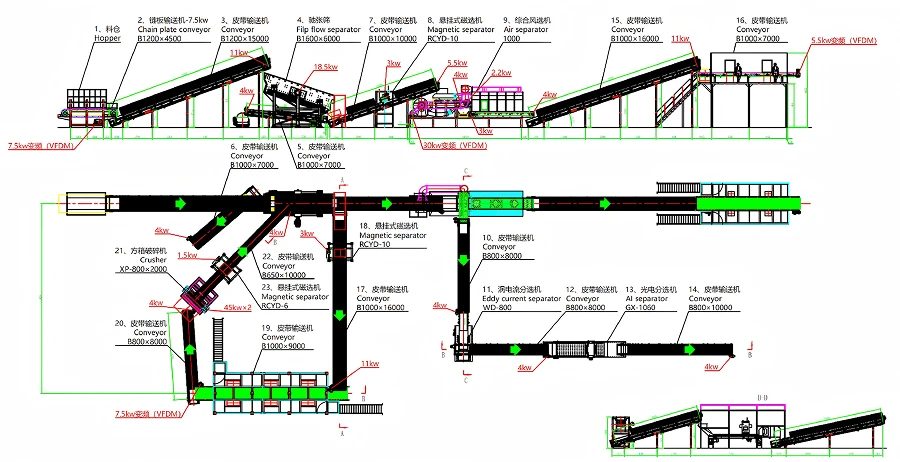
Main production line process flow:
Feeding → Flip-Flow Screening → Magnetic Separation → Air Separation → Eddy Current Separation → Optical Sorting → Manual Sorting → Oversize Crushing and Recirculation
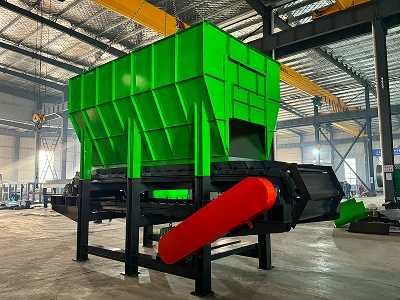 Flip-Flow Screen
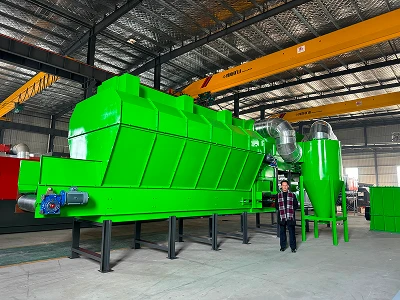 Air Separator
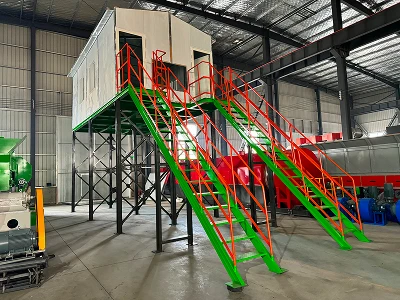 Manual Sorting Cabin
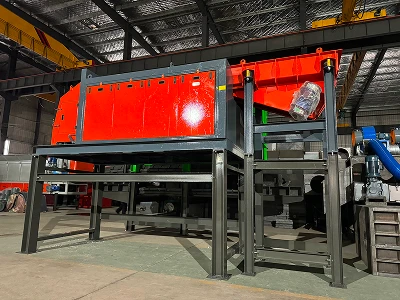 Eddy Current Separator
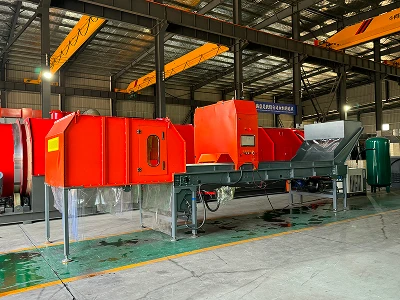 Optical Sorter
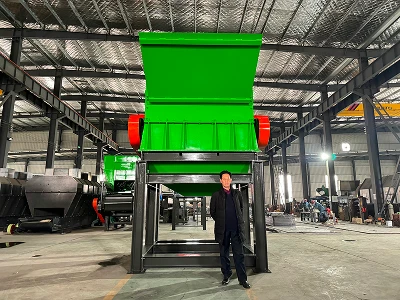 Box-Type Crusher
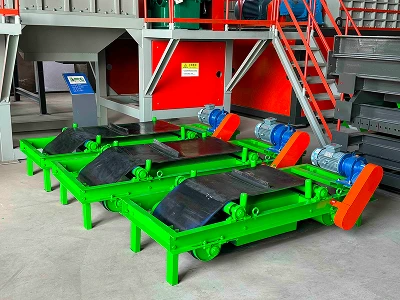 Overhead Magnetic Separator
Technical Specifications
- Overall Line Dimensions (L × W × H): 70 × 25 × 7.5 m
- Recycled Aggregate Sizes: <20 mm and 20–150 mm
- Metal Recovery Rate: ≥ 95%
- Non-Ferrous Metal Recovery Rate: ≥ 90%
- Lightweight Contaminant Removal Rate: ≥ 90%
Project Requirements
The completed recycling line operates continuously according to the customer's process design, enabling size classification of C&D waste, ferrous and non-ferrous metal recovery, lightweight contaminant removal, and crushing and recirculation of oversized material.
Different particle-size fractions are directed to their designated sorting and recovery stages, allowing the system to meet the required processing capacity of 80 t/h. Equipment configuration and project delivery were completed in accordance with the customer's requirements and applicable EU regulations.