
AI-Powered Optical Sorter
Video
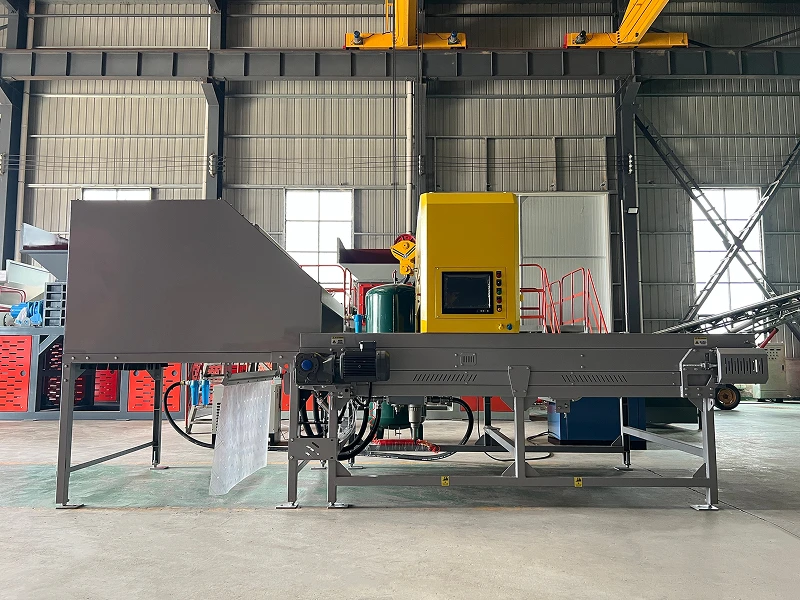
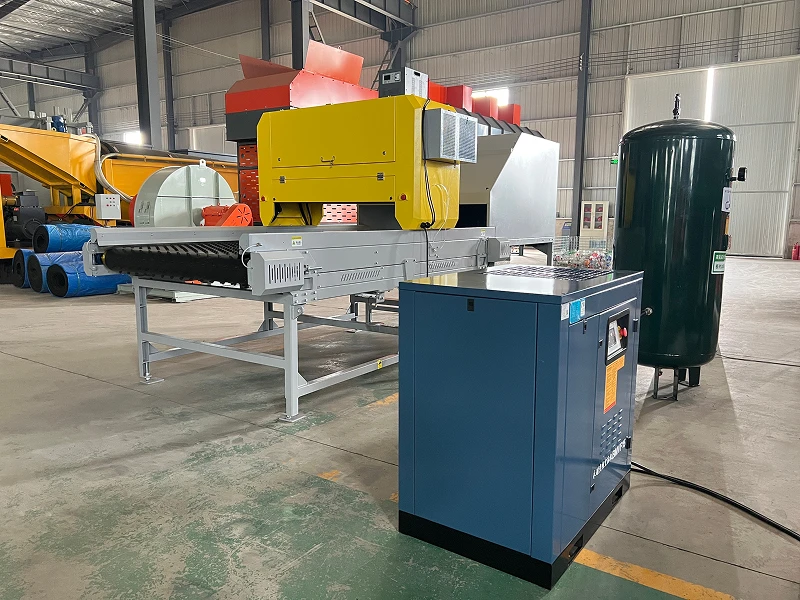
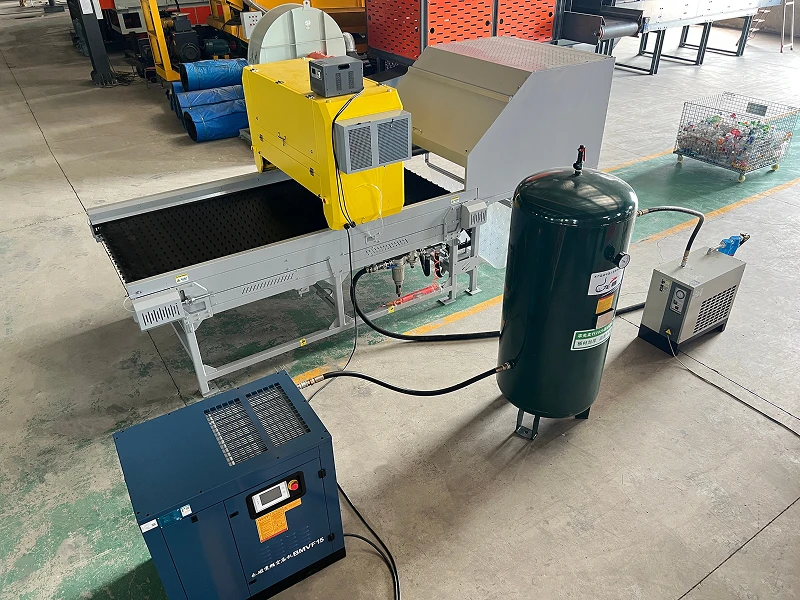
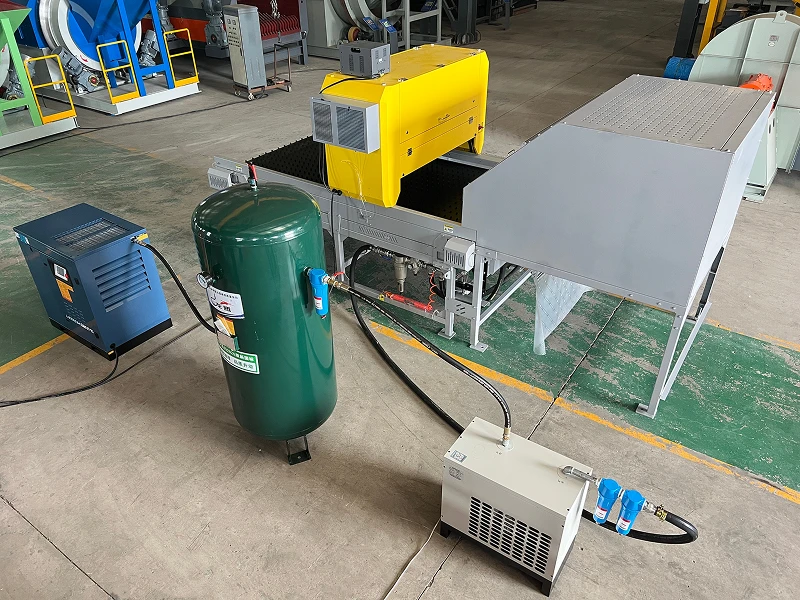
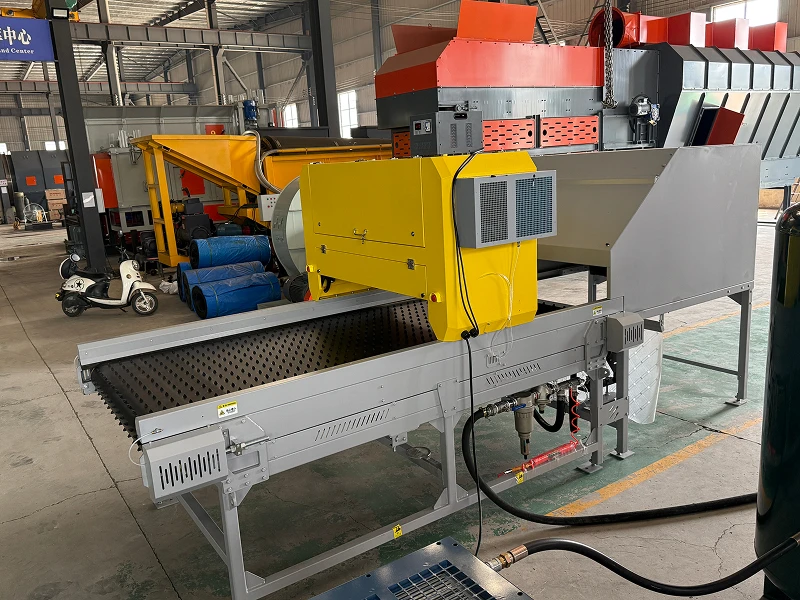
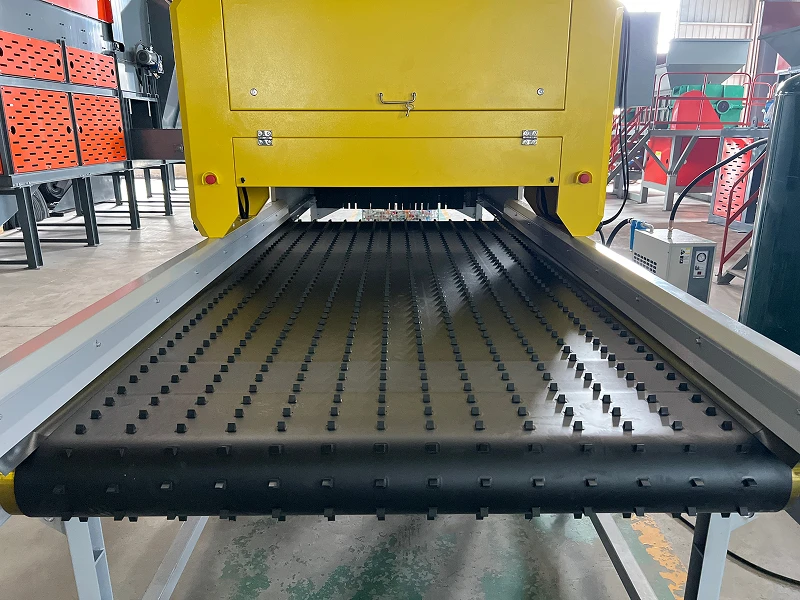
Hongzhi's AI-powered optical sorter uses visible-light cameras and near-infrared (NIR) sensing over a limited wavelength range to identify materials in municipal solid waste. By analyzing color, shape, and basic surface spectral characteristics, the system uses AI algorithms to match detected features against a predefined material database. Once materials are identified, precisely controlled jets of compressed air separate them into different fractions.
Applications
-
 Before Sorting
-
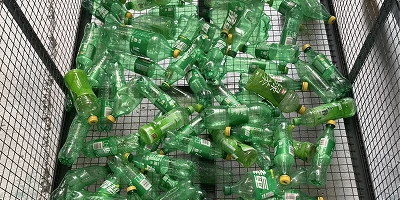 After Sorting
Technical Specifications
| Model | Belt Width (mm) | Power (kW) | Belt Speed (m/s) | Capacity (t/h) | Sorting Accuracy |
| 1000 | 5 | 0-1.5 | 2 | ≥98.6% | |
| 1400 | 5 | 0-1.5 | 3 | ≥98.6% | |
| 1800 | 6 | 0-1.8 | 4 | ≥98.6% | |
| 2000 | 8 | 0-2.2 | 5 | ≥98.6% |
*Reference Operating Air Pressure: 0.6–0.8 MPa
Features
- High-Resolution RGB Imaging: High-definition cameras capture detailed RGB images to support accurate material identification
- AI-Based Material Recognition: A customized AI-powered vision algorithm trained on a dataset of approximately 10 million real-world plastic bottle samples supports material identification and classification
- Stable Conveying and High-Speed Ejection: A controlled-speed conveyor system works with high-speed air ejectors that respond within milliseconds to separate identified materials
- High Recognition Capability: The sorter system can identify whole bottles, baled bottles, and crushed bottle material, accommodating different forms of incoming plastic waste